
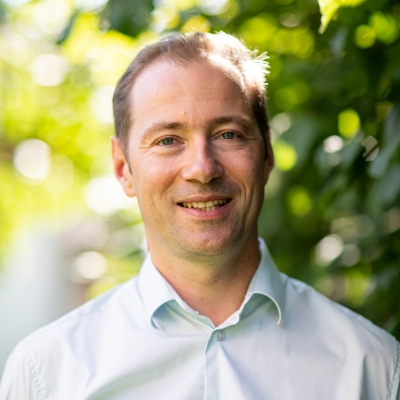
Alexander Prishchepov is a land system scientist whose work focuses on understanding land-use transitions. In February 2026, Alexander joined the Department of Environmental Science at Aarhus University, Denmark, as a Full Professor of Land System Science. From 2015 to 2026, he was an Associate Professor (remote sensing and modeling land-use change) in the Section of Geography at the University of Copenhagen. He earned his PhD from the University of Wisconsin–Madison in 2010 and worked as a postdoctoral researcher in the Land Systems Group at the Leibniz Institute of Agricultural Development in Transition Economies (IAMO) in Germany. He is co-affiliated with Justus Liebig University Giessen, Germany, serves on the Scientific Steering Committee of the Global Land Program (GLP), and co-coordinates the GLP Land Abandonment Working Group. His research spans across Europe, Asia, and other regions undergoing land-use transitions.
Title of keynote:
Understanding Land-Use Transitions: What we know and do not know about farmland abandonment
Abstract
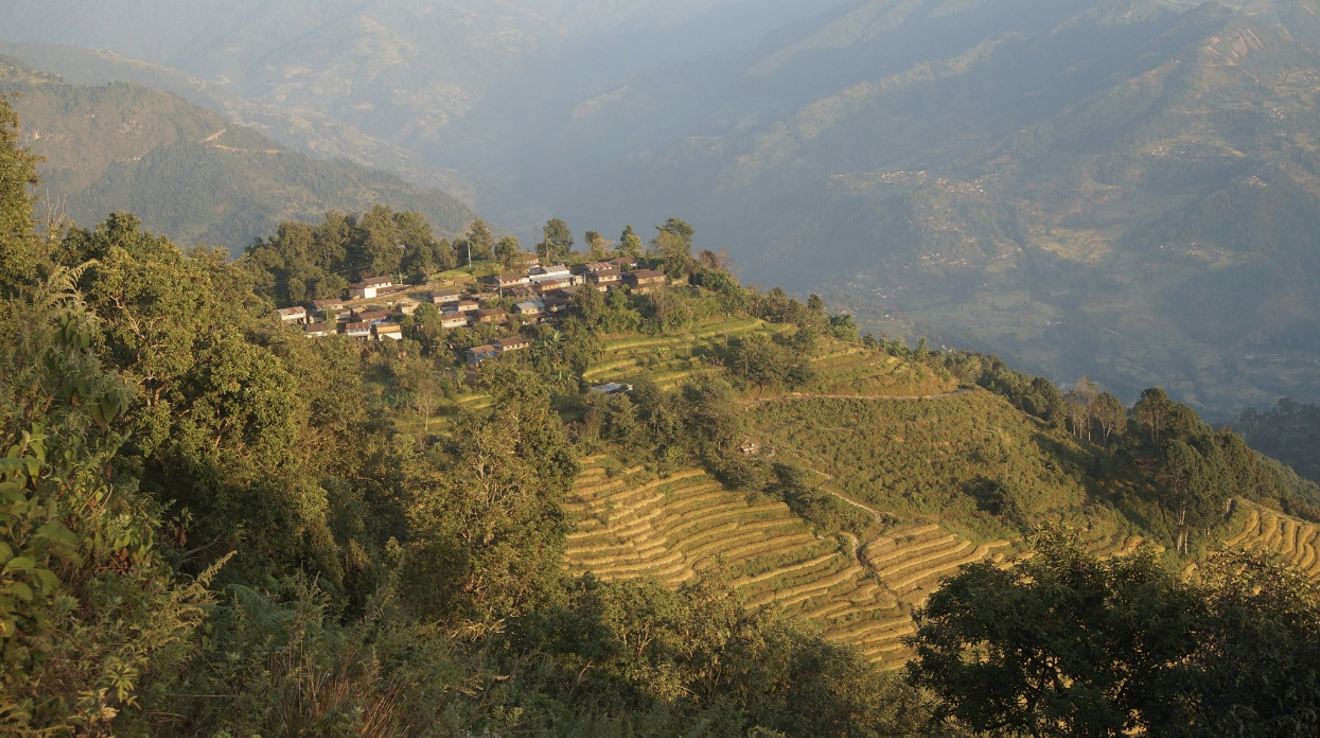
Land-use transitions take many forms, some seemingly minor yet with profound environmental and societal consequences. Among them, farmland abandonment has emerged as a major global land-use change process, driven by demographic shifts, economic restructuring, technological development, and other factors. While agricultural expansion continues in some regions, often at the expense of ecosystems and biodiversity, others are experiencing widespread farmland abandonment, with diverse consequences for both nature and society.
In this talk, Alexander V. Prishchepov examines global patterns and drivers of farmland abandonment through a land-system science lens. He critically explores whether farmland abandonment should be understood as a land-use failure, a consequence of broader social transformations, or an opportunity for biodiversity conservation and climate mitigation. The talk reflects on what we have learned so far, outlines key research gaps, and proposes a more reflexive and societally grounded agenda that situates farmland abandonment within broader social and environmental transitions.